Military antenna turntables serve as the core actuation mechanism in radar and communication systems. They must operate around the clock in complex environments such as field deployments and high-altitude regions, where they are subjected to extreme temperature variations ranging from severe cold to high heat.

Customer Requirements:
A wide-temperature-range special servo motor with high resistance to extreme hot and cold conditions must be selected. At the same time, it must ensure high-precision positioning, high dynamic response, and long-term continuous stable operation to meet the precise control and extreme environment adaptability requirements of military antenna turntable systems.
SENYD Solution:
SENYD electric cylinder: SYD200 series
SENYD high & low temperature motor (DC 72VDC, 4 kW): SYD165 series
MOLES gearbox: MB180 series
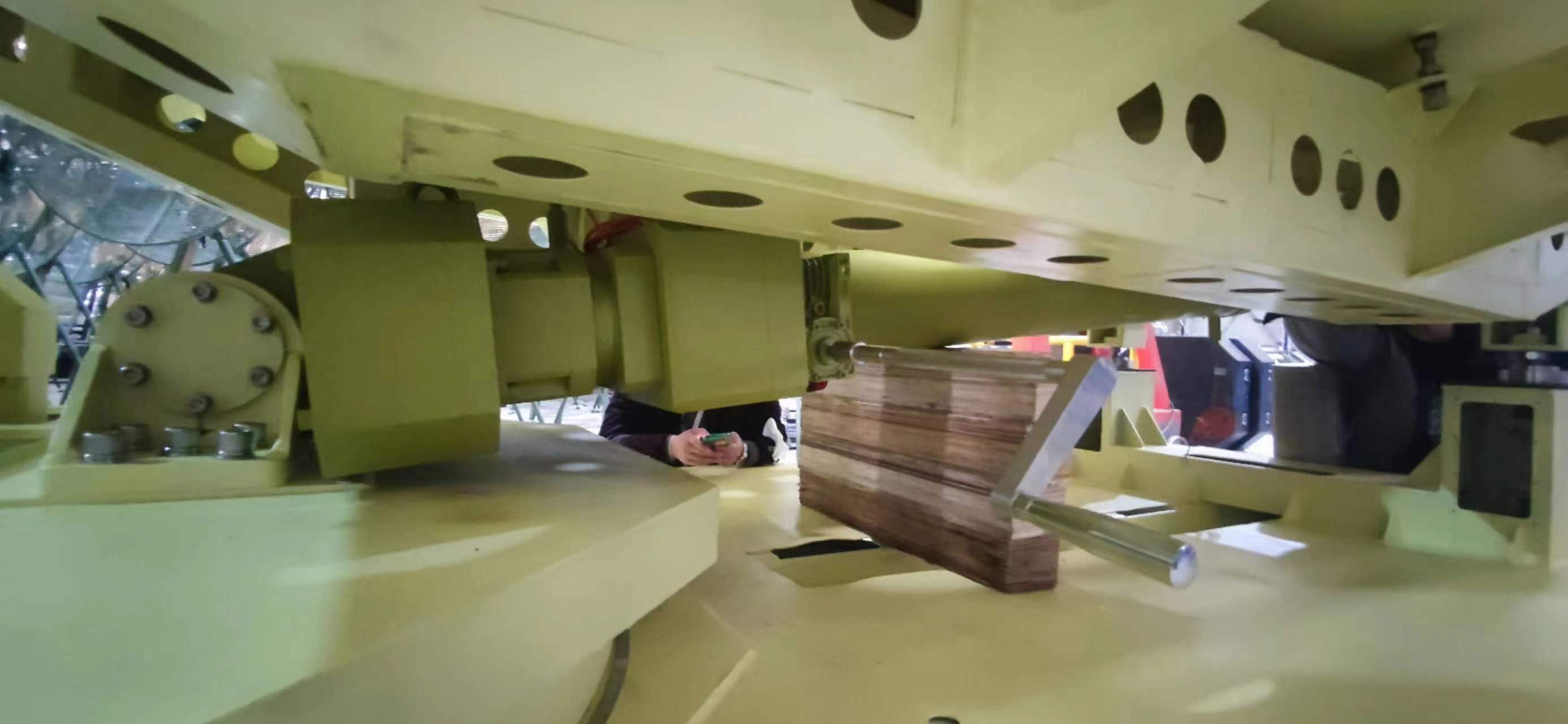
Key Advantages of the Solution
1. Strong system synergy and stable operation
All components in the system are precisely matched, eliminating compatibility issues and signal interference. The solution operates stably across the full temperature range of -40°C to +80°C, with no delay in response under high or low temperature conditions.
2. Precise power output and high positioning efficiency
The 4 kW SYD165 series motor combined with the MB180 series gearbox ensures optimal power delivery matched to load requirements. The SYD200 series electric cylinder enables micron-level positioning accuracy, meeting the stringent precision requirements of radar scanning and signal tracking systems.
3. Excellent environmental adaptability and wide application range
All components adopt wide-temperature materials and sealing technologies, with an IP66 protection rating. The system can be directly deployed in harsh military environments such as field and high-altitude regions, significantly reducing maintenance requirements and operational costs.
4. Long service life and easy maintenance
All components undergo rigorous testing, ensuring long service life and low wear. The system supports long-term continuous operation, reducing replacement frequency and lowering overall maintenance costs.